
Learn
Start AI for Engineering Practice: six free lessons with worked examples, exercises and saved completion.
Start the free foundation courseAiXEK brings together practical learning, AI tools and engineering expertise to help practising engineers and engineering companies develop skills, work through project challenges and improve everyday engineering workflows.
AI for Engineering in the Next Generation. Open new horizons by connecting engineering people worldwide to learn together, share experience and seek expert advice.
Whether you’re a practising engineer, a young engineer, a recent graduate, a student or part of an engineering company, AiXEK welcomes you to learn, try, discuss and contribute.
LEARN · TRY · DISCUSS · CONTRIBUTE
Learn one idea. Try an example. Bring a question. Share what helps.
Explore the member journeyFree community pilot · sign in to join discussions and share feedback.
Explore seven RebarGeniX lessons on automated reinforcement drawings and bar schedules, and seven CivilGeniX lessons using Site A at Mission Bay.
Watch the case lessonsWhether you’re a practising engineer, a young engineer, a recent graduate, a student or part of an engineering company, AiXEK welcomes you to learn, try, discuss and contribute.
Start AI for Engineering Practice: six free lessons with worked examples, exercises and saved completion.
Start the free foundation courseUse a guided example and record what you notice.
Explore practical demosAsk a clear question, compare approaches and learn with others.
Join discussionsShare feedback, suggest a topic and help shape the community.
Share feedbackFree community pilot. Registration, member discussions and private feedback are connected; paid membership remains inactive.
Start with the free pilot. Future paid membership options will support deeper learning, practical tools and expert support across different career stages.
Explore the communityStart with a private question. Keep the plan and evidence in view as you prepare a review brief, learn the method or decide when to involve an expert.
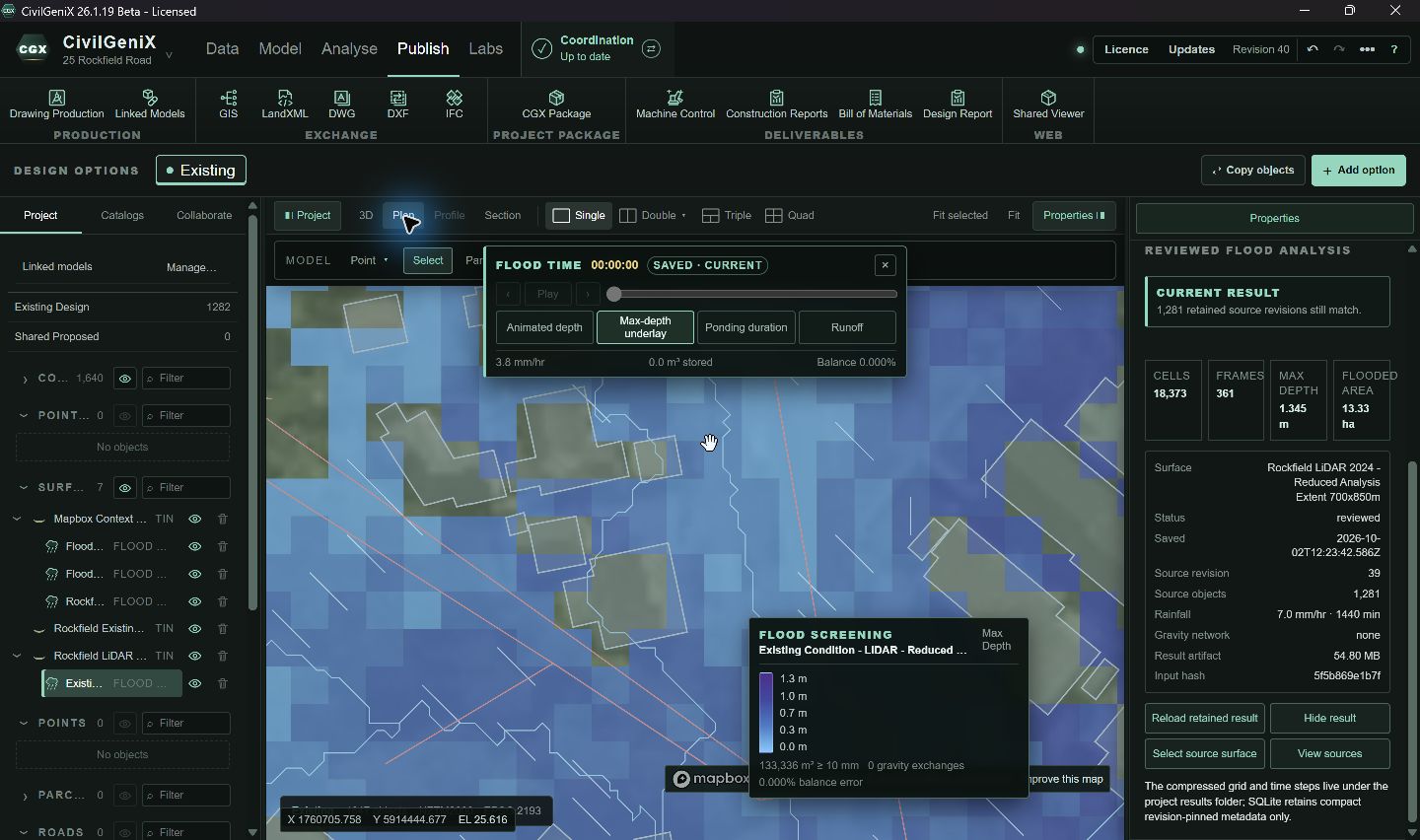
Recorded CivilGeniX model baseline: CC3.8 Reduced Domain A. D0 is the no-drainage reference. D1–D3 test progressively greater inlet-capture assumptions.
| Case | Parcel peak depth (m) | Parcel peak water RL | Adjacent footprint water RL |
|---|
Ponding remained at 30 hours in all four cases. The runs tested assumed inlet capture. Catchpit capacities and the architectural datum tie remain unverified.
Source: the recorded “Model 25 Rockfield drainage cases” handover and its original comparison report. The source project is needed to verify the results against the model.
Export Story Drifts to Excel, then save the sheet as CSV with Story, Output Case, Direction and Drift in the first row. The CSV stays in this tab.
| Story | Output case | Direction | Drift as reported |
|---|
The preview uses worked examples. A review brief is a draft for discussion, and expert requests and community posts are separate from this chat.
Explore the proposed member journey. Define your question, organise the evidence, compare scenarios and prepare a review package for a suitably matched expert.
Guided design preview. Fields and actions illustrate the proposed service; no account, model run, booking or payment is created. Draft edits remain in this tab and are lost when you reload or leave.
Bring work from either tool into the same evidence-led review. CivilGeniX describes a connected civil-design workflow; HEC-RAS provides hydraulic modelling across river, surface-water and stormwater applications. A project-specific comparison needs matched assumptions and actual results from both.
| Review area | CivilGeniX | HEC-RAS | AiXEK’s role |
|---|---|---|---|
| Starting workflow | Terrain, civil design, water networks, analysis and drawings in a connected model, as described by its publisher. | 1D and 2D hydraulic modelling, with stormwater pipe-network capabilities. | Record the task, software version, model revision and evidence supplied. |
| Drainage representation | The recorded Auckland example tests assumed inlet capture; a verified network-capacity model is a separate task. | Pipe networks can interact with 1D/2D surface elements; setup and available behaviour depend on the installed version. | Identify differences in the represented system before comparing outputs. |
| Matched benchmark | Use a common terrain source, event, datum, units, boundaries, drainage assumptions and output locations. Document numerical-method and mesh differences. | Compare depths, water levels, extent, timing, volume balance and warnings where compatible outputs exist. | |
| Current evidence | Preliminary D0–D3 results are recorded in this preview. Source-model verification remains outstanding. | No matched HEC-RAS results have been supplied for this pilot. | Keep missing results blank. No accuracy ranking or completed validation is claimed. |
Proposed benchmark sequence: a simple independently checkable case, a surface-flood case, a verified drainage-network case, then the site pilot. An engineer defines the comparison criteria before the runs.
The member selects a brief revision and supporting files. A suitably qualified reviewer agrees the scope, fee or allowance, availability and delivery arrangement. Only the approved package is shared. The reviewer returns an attributed response with evidence references and outstanding actions, or requests more information. Revised evidence creates a new review revision. A formal design check or certification requires an expressly agreed scope.
Generate coordinated reinforcement drawings and bar schedules from connected analysis and reinforcement records. Explore the slab pilot, revise the bars and trace the updated outputs into checking and expert review.
Try the RebarGeniX floor slab prototypeFollowing this priority: GenFEA, WindCFD, ConnectFEA, SolidFEA and SPACE GASS; then ETABS, SAP2000, PLAXIS, SLOPE/W and SEEP/W.
Start with a specific engineering question. Each example shows what to prepare and what a reviewer would need to see.
Review the Auckland pilot’s D0–D3 drainage cases and trace the inputs and open checks.
Review a floor-slab shell model. Connect the calculated deflection to the modelling assumptions and serviceability load case.
Compare CFD and wind-tunnel pressures. Check reference conditions, measurement points and what the two results can tell you.
Check beam deflection against an analytical benchmark. Line up the assumptions, loading and output before interpreting differences.
Prepare a slab reinforcement review. Organise model outputs, the proposed layout and checks that need an engineer’s judgement.
Open the floor slab prototypePrepare a pile-test evidence review. Bring test measurements, instrumentation records and the ground model together.
Which storeys, directions and load cases should be reviewed, and what model evidence is missing?
Can the support reactions be traced to the governing load case and the bearing axes?
What inputs and modelling decisions are behind the reported punching shear result at a slab support?
Which member actions should go to the connection designer, and where are they measured?
How do we trace predicted wall and ground movement to the excavation stage and ground assumptions?
How does the review change between the baseline and a scenario with elevated groundwater?
Which boundary assumptions govern the calculated seepage and pore pressure distribution?
Explore CivilGeniX, RebarGeniX, GenFEA, WindCFD, ConnectFEA and SolidFEA through guided examples and narrated introductions.
Open the demo libraryAiXEK's connection roadmap starts with the tools engineers already use, alongside our specialist partner workflows.
Organise site, drainage and flood-analysis inputs with CivilGeniX and workflows using HEC-RAS and Revit.
Prepare model inputs and review reinforcement assumptions with RebarGeniX, building on GenFEA and SolidFEA and using tools such as ETABS, SAP2000, SAFE and SPACE GASS.
Use WindCFD to explore flow and plan how to compare simulation results with wind-tunnel evidence and CHECKWIND.
Bring ground information, pile-test records and optical-fibre measurements together with Mr. Geo / YJACK. Use the customer software examples to see how modelling outputs can be prepared for a geotechnical review. Explore the pile-test workflow.
ETABS, SAP2000, SAFE, SPACE GASS and other named software can form part of customer-owned or internally managed workflows, as described by the founder and subject to appropriate access. AiXEK’s automated connections remain development targets. Third-party software is not owned by Cinnotek; licences and specialist computing are separate where applicable.
Follow a question through the 25 Rockfield Road drainage example, review the recorded CivilGeniX results, and download the review brief. The 59-second video has English narration and on-screen captions.
Try the guided CivilGeniX exampleAiXEK draws on Cinnotek’s regional experience, academic relationships and specialist partner network. Explore the people and collaborations behind the platform.
Meet the Cinnotek networkPractical learning and shared experience, wherever you are starting from.
Guided engineering topics, software workflows, AI skills and research discussions, delivered remotely through planned live sessions and learning resources.
Bring academic, industry and emerging engineering voices together across ANZ, Southeast Asia and Hong Kong.
A planned network for career conversations, mentoring, internship opportunities and professional introductions across cities and regions. Opportunities will depend on participating organisations and their requirements.
Learn the method and practise with worked examples.
Prepare scoped tasks and record sources and assumptions.
Apply the workflow to project work and learn with peers.
Lead reviews, mentor others and contribute technical examples.
Proposed learning stages within AiXEK Academy. Professional credentials follow the relevant institution’s requirements.
Programme coordination · Betty Kwok, Marketing Director.
Betty will lead the detailed planning and coordination of training, webinars, conferences and seminars.
AiXEK is being designed around private task support. Community participation and sharing are choices; you decide what to contribute to wider discussions.
From your first engineering question to your next professional step, AiXEK aims to connect practical learning with people who understand real project work.
Career and internship activities are planned. Opportunities will depend on participating organisations, available roles and their selection requirements.
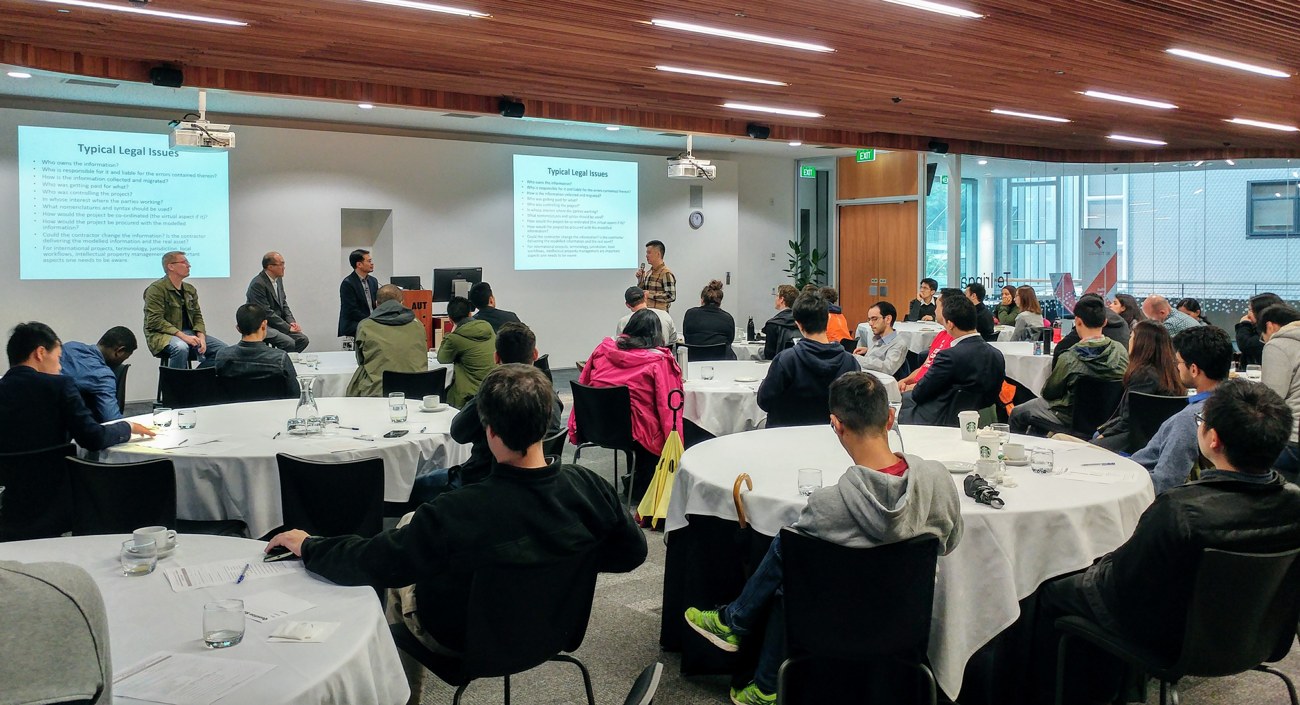
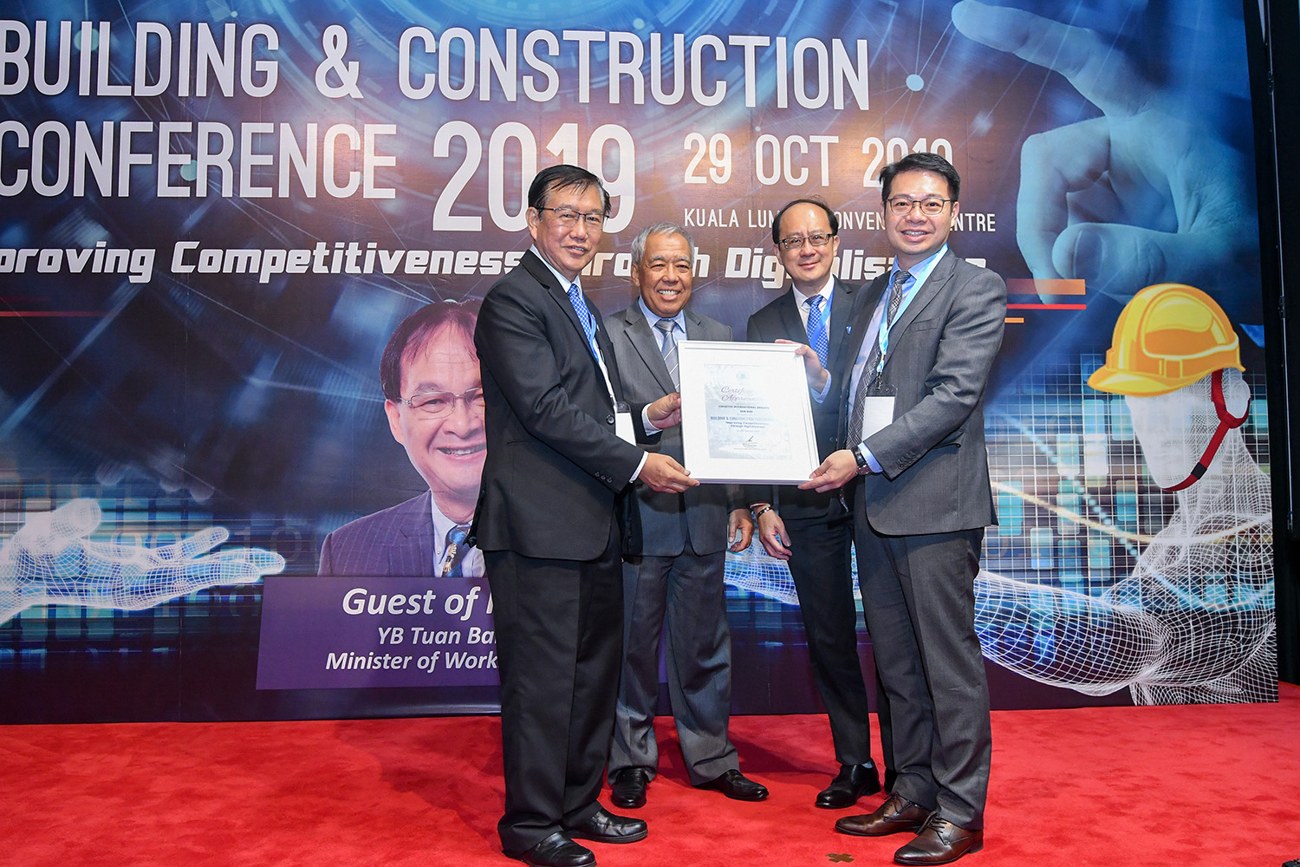
Building on Cinnotek’s experience of bringing people together across regions.
Our AI agent workflow preview shows how members could organise engineering inputs, question assumptions and prepare evidence for expert advice. Explore the CivilGeniX example alongside the wider demo collection.
The current pilot does not connect an AI agent to live engineering software. Expert review scope and availability are agreed separately.
Cinnotek is actively involved in engineering projects across 14 cities, bringing practical experience to a growing global learning community.
Watch the introductionCurrent target: 6 countries and 14 cities across New Zealand, Australia, China (including Hong Kong), Singapore, Malaysia and Kazakhstan. Next Horizons: 11 cities across Europe, the Americas and Africa.
Auckland · Wellington · Christchurch
Sydney · Melbourne · Perth · Brisbane
Hong Kong · Singapore · Kuala Lumpur, Malaysia · Beijing · Guangzhou · Shenzhen, Mainland China · Almaty, Kazakhstan
Malmö, Sweden · Berlin, Germany · London, UK · Paris, France · Amsterdam, Netherlands
Los Angeles · San Francisco
Brasília, Brazil · Bogotá, Colombia
Luanda, Angola · Pretoria, South Africa (administrative capital)
Our followers currently exceed 400, reflecting an established network of people interested in engineering, learning and digital innovation.
Earlier AiXEK registrations across Hong Kong, Singapore, Malaysia, Australia and New Zealand.
Grow through useful learning, practical examples and an active community.
Connect engineering people worldwide through shared knowledge and expert guidance.
The 250+ baseline refers to earlier AiXEK registrations reported in November 2026, rather than this pilot’s live member count. The 50,000 and 100,000 figures are future community growth targets, not paying-member totals or revenue forecasts.
Start with a free community pilot: learn, try demos, discuss and contribute. Paid plans are future concepts and remain inactive. Prices, allowances and expert-support arrangements are provisional; no paid benefits are active.
For practising engineers, engineering companies, young engineers, graduates and students.
Build a regular learning and task-support habit.
More learning depth and shared expert discussion.
More intensive work, with focused human input.
One shared plan for up to 10 named users.
Future top-ups · inactive. USD 10 / 1,000 credits · USD 25 / 2,500 credits · USD 50 / 5,000 credits · USD 100 / 10,000 credits. Monthly credits reset; purchased-credit terms will be confirmed before launch.
Private expert minutes include preparation and do not roll over. Company time and credits are shared across the team; this is not ten Professional plans. Clinics are scheduled shared learning, not private project checks. Membership names do not confer professional accreditation. Plans are not yet available to purchase.
Create a free AiXEK profile to participate in the free AiXEK community pilot. Paid plans, AI credit allowances, software licences and expert bookings are not activated by registration.
Founded by Professor Julian Lee in New Zealand in 2018, Cinnotek brings engineering practice, learning and regional relationships to the AiXEK vision.
Discover Cinnotek